Make your money work for you
With Selma, you will get an investment plan that fits your life and goals, and the support of an AI-powered financial advisor. Get started in minutes and let your money work for you.
Get started for free
Featured in










Coming soon: Selma for retirement
Learn moreSelma helps you grow and manage your pension money with an easy, fully automated and expert-guided investment solution. You get an income-focused portfolio, smart risk management, and full flexibility to access your money whenever needed.

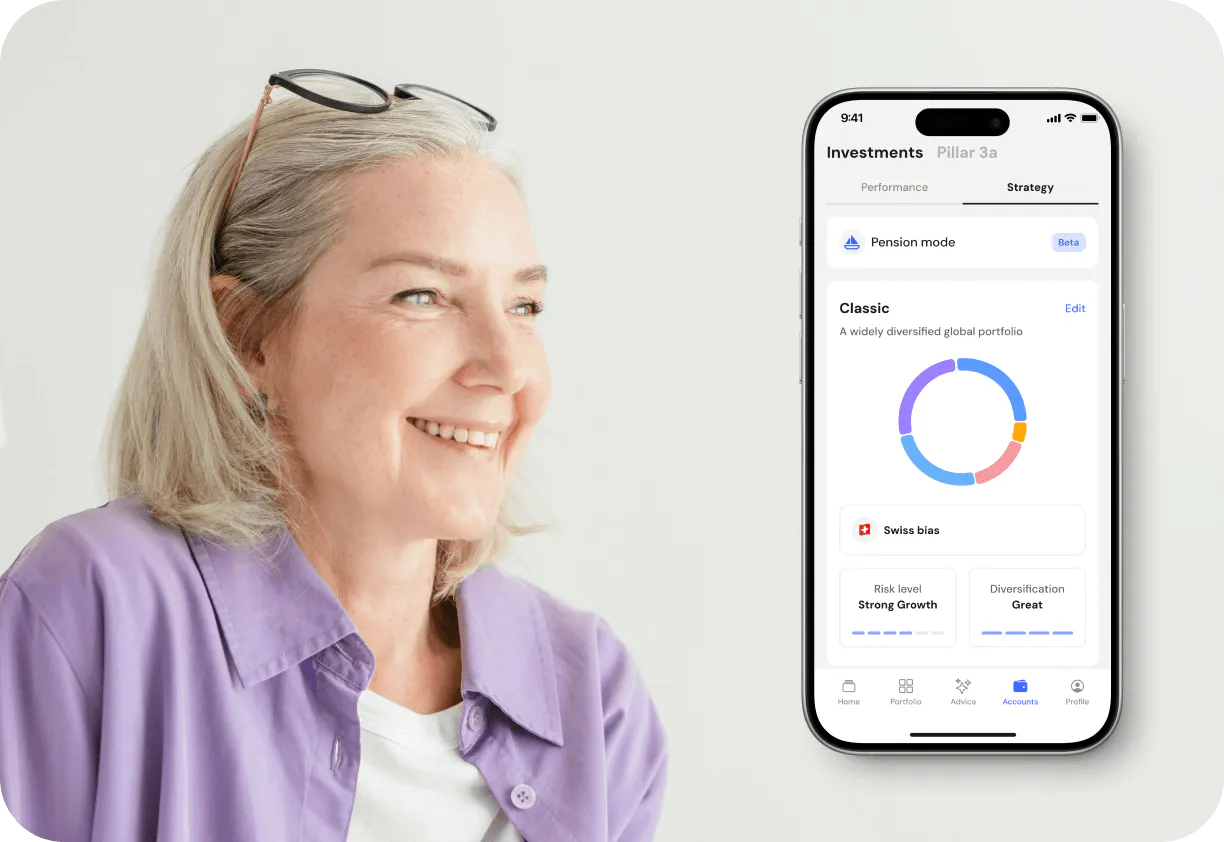
Selma is the perfect solution for you if ...
Reliable partners and great technology protect your wealth.
You want to invest for the long term
At Selma, we recommend an investment horizon of 5-10 years, allowing your investments the time they need to mature and weather market fluctuations.
You want a globally diversified portfolio
We don’t believe in stock picking. With Selma you will invest in globally diversified portfolio that is tailored to your unique situation.
You value transparency and independence
Selma operates as an independent Financial Advisor , which means we prioritise your interests. There are no hidden fees or kickbacks.
You want your portfolio managed by experts
At Selma, we don't just set up a portfolio for you; we manage it for you, ensuring it aligns with market movements and your evolving needs.
Selma compared to others
Selma
Bank
Robo-advisor
Selma investors






4.6 star review
Rising star 2022
FinTech Innovators Report
4.8 star review
4.8/5 score in 2020
Finanz-Innovator Preis



How it works
Start your investing journey in 5 minutes
Chat with Selma
Sign up and chat about your financial situation and investment goals.
Get your plan
Selma crafts a personal investment plan that is tailored to you.
Open your account
All you need is your ID or passport and your smartphone.
Lean back
And let Selma do the work for you!





Selma has exceeded my expectations with an intuitive platform, personalised investment strategies and first class customer service.
Max
Selma's client
Absolutely top and better than a bank advisor - cheaper anyway.
Stefan
Selma's client
Selma impresses with its strong risk management and long-term approach. Despite market fluctuations, Selma offers a sustainable investment strategy.
Andy
Selma's client
Selma is a practical robo advisor with fair fees under 1% that cover many services - cheaper than my previous provider.
Yanik
Selma's client
Great package. Fair prices, performance is right, good accessibility. Top!
Michael
Selma's client
Super simple, top return, good support
Michael
Selma's client
Modern, transparent digital offering with personal customer service where you can feel the personality and who takes care of you.
René
Selma's client
Selma's happy clients
More than 350 reviews on Google


Martin St
straight forward and interesting solution for people who don't have time and exp. to manage their own portfolio. The Selma crew is really helpful and answers very quickly

Anirudh Choudary
Selma helped me start on my financial investment journey. I am very new to the investment area (espl. in ETFs and Stocks). Selma Team is very responsive, and detailed in their explanation. They help clarify all your doubts before making your investments.

Silvan Krähenbühl
Fantastic team, fast support team and outstanding product. This is personal finance 2.0!

Jessica Putz
I've been using Selma since +- a year now and highly recommend it especially for investing beginners and people that don't want to spend the time on learning everything there is about investing.

Álvaro Nussbaum
Great way to invest. They have a very good and simple interface where transparency and simplicity reign

Pierre-Arnaud Galiana
Great onboarding process, fantastic user-experience, now waiting to see how the investments will turn out!

Christina Willner
Awesome service and awesome team. They really care about making an outstanding product and have succeeded in that. I have recommended Selma to many of my friends and family and everyone is very impressed.

Prathamesh Thakur
No stress, no effort investing for newbies. Just put your money in and let the Selma take care of the rest.

Terry Sullivan
New customer here , so I can’t talk about return / investment ratio. But the BEST customer service I’ve had since moving back to CH. A lot of companies could learn a thing or 2 from the Selma team. They really do seem care. Which hen dealing with installs confidence which, in my case anyway, is extremely important!

Christos Tsiaras
Very easy to invest! Highly recommended since it is very easy to invest.

Christoph Koch
Selma shows that it can be easy to invest money, fair price, fast response although everything is online. Swiss company. With my traditional large bank complicated and more expensive. That's why I have chosen Selma and can recommend it.
Questions you may have about investing with Selma
Yes! You can withdraw money or close your account at any point. Note that selling your investments and transferring the money to your account at another bank can take up to one week. Withdrawing money or closing your account is included in Selma's fee and doesn't cause additional costs.
What kind of investment products does Selma use?
Is there a minimum investment amount?
How do I deal with taxes?
Can’t find the answer you’re looking for? Visit Selma's FAQs or reach out to our team of experts via live chat.
Download the Selma mobile app
Take your digital financial assistant with you wherever you go and check how your investments are doing from anywhere.